Thermoplastic Elastomer (TPE)
Thermoplastic nylon elastomer products can be utilized in a wide range of applications, including permanent antistatic modification of polymer materials, automotive components, shoe materials, film materials, noise-reducing gears, specialty cables and wires, 3D printing, and medical devices.
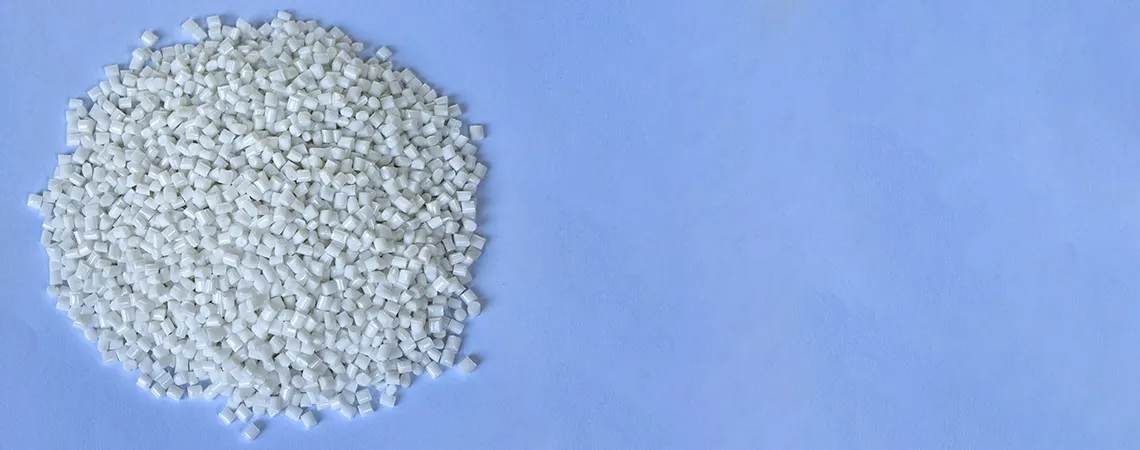
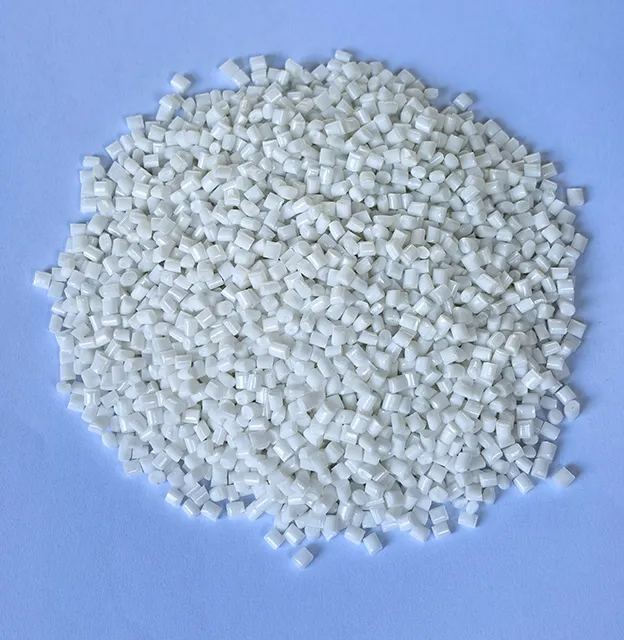
Polymer Permanent Antistatic Series
- Features
-
- Exhibits permanent antistatic performance
- Demonstrates excellent processing fluidity
- Offers superior thermal stability
- Enhances toughness of the base material
- Applicable for antistatic modification of various polymer materials with high compatibility
- Applications
-
- Antistatic films
- Antistatic packaging materials
- Antistatic fibers
- Electronic products
※ Applicable for various polymer materials such as PA, ABS, PS, POM, PET, PVC, PP, and PE
| Performance Category | Item | Measured Value | Unit | Measurement Method |
|---|---|---|---|---|
| Physical Properties | Density | 1.08–1.13 | g/cm3 | ISO 1183 |
| Water Absorption (Equilibrium at 20°C, 50% Relative Humidity) | 1.0–3.8 | % | ISO 62 | |
| Water Absorption (After 24-Hour Immersion in Water at 23°C) | 38–110 | % | ISO 62 | |
| Melting Point | 160–190 | ℃ | ISO 11357 | |
| Glass Transition Temperature | -40 | ℃ | ISO 306 | |
| Electrical Properties | Surface Resistivity | 106–108 | Ω/□ | IEC 60093 |
| Volume Resistivity | 105–108 | Ω·m | IEC 60093 | |
| Mechanical Properties | Hardness (Instantaneous) | 44 | Shore D | ISO 868 |
| Hardness (After 15 Seconds) | 40 | Shore D | ISO 868 | |
| Tensile Strength | 30–35 | MPa | ASTM D638 | |
| Tensile Fracture Strain | >700 | % | ASTM D638 |
Short Carbon Chain-Based Nylon Elastomer Series
- Features
-
- Excellent thermal stability
- Outstanding impact resistance
- Extremely high mechanical strength
- Superior overall mechanical properties
- Good processability and excellent dimensional stability of products
- Applications
-
- Cable covers
- Film materials
- Improved nylon toughness modification
- Industrial flexible components
- Fibers
- Silent gears
- High-performance conveyor belts
- Electric wires and cables
- Automotive parts
- Home appliances
- Power tools
| Performance Category | Item | Measured Value | Unit | Measurement Method |
|---|---|---|---|---|
| Physical Properties | Density | 1.08–1.10 | g/cm3 | ISO 1183 |
| Water Absorption (Equilibrium at 20°C, 50% Relative Humidity) | 0.5–0.8 | % | ISO 62 | |
| Water Absorption (After 24-Hour Immersion in Water at 23°C) | 1.1–1.5 | % | ISO 62 | |
| Melting Point | 190–195 | ℃ | ISO 11357 | |
| Vicat Softening Temperature (10N) | 120–160 | ℃ | ISO 306 | |
| Charpy Impact Strength (Notched) | No Cracking | KJ/m2 | ISO 179 | |
| Unnotched 23°C | ||||
| Unnotched -30°C | ||||
| V-Notch 23°C | ||||
| V-Notch -30°C | ||||
| Mechanical Properties | Hardness (Instantaneous) | 35–58 | Shore D | ISO 868 |
| Hardness (After 15 Seconds) | 30–53 | Shore D | ISO 868 | |
| Tensile Strength | 30–35 | MPa | ASTM D638 | |
| Tensile Fracture Strain | >500 | % | ASTM D638 |
Long Carbon Chain-Based Nylon Elastomer Series
- Features
-
- Excellent flexibility and impact resistance
- High mechanical strength
- Outstanding overall mechanical properties
- Superior thermal stability
- Relatively low density and water absorption
- Good processability and excellent dimensional stability of products
- Applications
-
- Shoe materials
- Film materials
- 3D printing
- Medical devices
- Flexible components
- Silent gears
- Sports protective equipment
- Cable covers
- Wear-resistant components for sports shoes and ski boots
- Automotive parts
| Performance Category | Item | Measured Value | Unit | Measurement Method |
|---|---|---|---|---|
| Physical Properties | Density | 1.02–1.08 | g/cm3 | ISO 1183 |
| Water Absorption (Equilibrium at 20°C, 50% Relative Humidity) | 0.5–0.7 | % | ISO 62 | |
| Water Absorption (After 24-Hour Immersion in Water at 23°C) | 1.2–1.5 | % | ISO 62 | |
| Melting Point | 150–190 | ℃ | ISO 11357 | |
| Vicat Softening Temperature (10N) | 120–170 | ℃ | ISO 306 | |
| Charpy Impact Strength (Notched) | No Cracking | KJ/m2 | ISO 179 | |
| Unnotched 23°C | ||||
| Unnotched -30°C | ||||
| V-Notch 23°C | ||||
| V-Notch -30℃ | ||||
| Mechanical Properties | Hardness (Instantaneous) | 43–67 | Shore D | ISO 868 |
| Hardness (After 15 Seconds) | 40–61 | Shore D | ISO 868 | |
| Tensile Strength | 40–55 | MPa | ASTM D638 | |
| Tensile Fracture Strain | >500 | % | ASTM D638 |
High Transparency Series
- Features
-
- Excellent optical performance
- Superior mechanical strength
- Outstanding processability
- Relatively low density and water absorption
- Good dimensional stability of products
- Applications
-
- Transparent eyeglass frames
- Transparent optical components
- Smart wear
- Medical devices
- Aluminum frames (Al eyeglasses)
| Performance Category | Item | Measured Value | Unit | Measurement Method |
|---|---|---|---|---|
| Physical Properties | Density | 1.0–1.05 | g/cm3 | ISO 1183 |
| Water Absorption (Equilibrium at 20°C, 50% Relative Humidity) | 0.2–0.5 | % | ISO 62 | |
| Water Absorption (After 24-Hour Immersion in Water at 23°C) | 1.2–1.5 | % | ISO 62 | |
| Melting Point | 150–180 | ℃ | ISO 11357 | |
| Vicat Softening Temperature (10N) | 120–150 | ℃ | ISO 306 | |
| Light Transmittance | 80–91 | % | ISO 13468 | |
| Unnotched 23°C | No Cracking | KJ/m2 | ISO 179 | |
| Unnotched -30°C | ||||
| V-Notch 23°C | ||||
| V-Notch -30℃ | ||||
| Mechanical Properties | Hardness (Instantaneous) | 55–82 | Shore D | ISO 868 |
| Hardness (After 15 Seconds) | 50–78 | Shore D | ISO 868 | |
| Tensile Strength | 40–55 | MPa | ASTM D638 | |
| Tensile Fracture Strain | >200 | % | ASTM D638 |
Bio-Based Series
- Features
-
- Preparation of bio-based materials
- Superior mechanical strength
- Outstanding processability
- Relatively low density and water absorption
- Good dimensional stability of products
- Applications
-
- Antistatic modification
- Shoe materials
- 3D printing
- Cable covers
- Electronic products
- Medical
- Textiles
- Smart wear
- Film materials
| Performance Category | Item | Measured Value | Unit | Measurement Method |
|---|---|---|---|---|
| Physical Properties | Density | 1.02–1.08 | g/cm3 | ISO 1183 |
| Water Absorption (Equilibrium at 20°C, 50% Relative Humidity) | 0.3–0.8 | % | ISO 62 | |
| Water Absorption (After 24-Hour Immersion in Water at 23°C) | 1.2–3.5 | % | ISO 62 | |
| Melting Point | 160–190 | ℃ | ISO 11357 | |
| Vicat Softening Temperature (10N) | 120–150 | ℃ | ISO 306 | |
| Bio-based Content | 25–50 | % | \ | |
| Unnotched 23°C | No Cracking | KJ/m2 | ISO 179 | |
| Unnotched -30°C | ||||
| V-Notch 23°C | ||||
| V-Notch -30℃ | ||||
| Mechanical Properties | Hardness (Instantaneous) | 43–70 | Shore D | ISO 868 |
| Hardness (After 15 Seconds) | 40–68 | Shore D | ISO 868 | |
| Tensile Strength | 35–50 | MPa | ASTM D638 | |
| Tensile Fracture Strain | >500 | % | ASTM D638 |
Permanent Antistatic HIPS Series
- Features
-
- Stable antistatic performance even at low temperatures
- High-concentration masterbatch
- Excellent abrasion resistance
- Environmentally friendly (chlorine-free)
- Specialized materials for sheets and injection molding
- Applications
-
- HIPS three-layer co-extruded sheet
- HIPS injection molded components
- Empty reels for winding machines
| Performance Category | Item | Measured Value | Unit | HIPS ESD5521 | HIPS ESD5521 SL | HIPS ESD6822 |
|---|---|---|---|---|---|---|
| General Properties | Density | 23℃ | g/cm3 | 1.11 | 1.09 | 1.05 |
| Melting Point | 230℃, 2.16kg | g/10min | 30 | 35 | 25 | |
| Mechanical Characteristics | Tensile Strength | 50 mm/min | MPa | 18 | 18 | 32 |
| Tensile Fracture Strain | 50 mm/min | % | >500 | >500 | 50 | |
| Flexural Strength | 2 mm/min | MPa | 7.6 | 7.6 | 43 | |
| Flexural Modulus | 2 mm/min | MPa | 150 | 150 | 1600 | |
| Charpy Impact Strength | 5.5J, 23℃ | kJ/m2 | No Cracking | No Cracking | 20 | |
| Others | Total Chlorine (Cl) Content | - | mg/kg | N.D. | N.D. | N.D. |
| Surface Resistance | 15–25℃, 50%RH 72h | Ω | 106 | 106 | 108 |
Permanent Antistatic PA6 Series
- Features
-
- Stable antistatic performance even at low temperatures
- High impact strength
- Reinforced grade (glass fiber reinforced)
- Environmentally friendly (chlorine-free)
- Applications
-
- Injection Molding Components: Automotive Smart Key Exterior Parts, etc.
| Performance Category | Item | Determination Standards | Measured Value | Unit | PA6 ESD6873GF |
|---|---|---|---|---|---|
| Physical Properties | Density | GB/T 1033 | 23℃ | g/cm3 | 1.28 |
| Ash Content | GB/T 9345 | — | — | — | |
| Melting Point | GB/T 3682 | 230℃, 2.16 kg | g/10min | — | |
| Mechanical Properties | Tensile Strength | GB/T 1040 | 50 mm/min | MPa | 110 |
| Tensile Fracture Strain | GB/T 1040 | 50 mm/min | % | 15 | |
| Flexural Strength | GB/T 9341 | 2 mm/min | MPa | 170 | |
| Flexural Modulus | GB/T 9341 | 2 mm/min | MPa | 5600 | |
| Charpy Impact Strength | GB/T 1843 | 5.5 J, 23℃ | kJ/m2 | 20 | |
| Others | Total Chlorine (Cl) Content | EN 14582 | — | mg/kg | — |
| Surface Resistance | GB/T 1401 | 15–25℃, 50% RH, 72hr | Ω | 108 |
Permanent Antistatic PC Series
- Features
-
- Stable antistatic performance even at low temperatures
- Excellent scratch resistance (wear resistance)
- High gloss
- Environmentally friendly (chlorine-free)
- Applications
-
- PC three-layer co-extrusion sheet
- PC injection molded components
| Performance Category | Item | Determination Standards | Measured Value | Unit | PC ESD6863 |
|---|---|---|---|---|---|
| Physical Properties | Density | GB/T 1033 | 23℃ | g/cm3 | 1.16 |
| Melting Point | GB/T 3682 | 250℃, 2.16 kg | g/10min | 21 | |
| Mechanical Properties | Tensile Strength | GB/T 1040 | 50 mm/min | MPa | 42 |
| Tensile Fracture Strain | GB/T 1040 | 50 mm/min | % | 180 | |
| Flexural Strength | GB/T 9341 | 2 mm/min | MPa | 61 | |
| Flexural Modulus | GB/T 9341 | 2 mm/min | MPa | 1600 | |
| Charpy Impact Strength | GB/T 1843 | 5.5 J, 23℃ | kJ/m2 | 58 | |
| Others | Total Chlorine (Cl) Content | EN 14582 | — | mg/kg | N.D. |
| Surface Resistance | GB/T 1401 | 15–25℃, 50% RH, 72hr | Ω | 108-9 |
Permanent Antistatic PE Series
- Features
-
- Stable antistatic performance even at low temperatures
- Blown film grade (for film applications)
- Environmentally friendly (chlorine-free)
- Applications
-
- HDPE film
- LLDPE film
| Performance Category | Item | Determination Standards | Measured Value | Unit | UPAE DF749 | UPAE HF825 |
|---|---|---|---|---|---|---|
| Physical Properties | Density | GB/T 1033 | 23℃ | g/cm3 | 1.05 | 1.05 |
| Melting Point | GB/T 3682 | 190℃, 2.16 kg | g/10min | 20 | 28 | |
| Mechanical Properties | Tensile Strength | GB/T 1040 | 50 mm/min | MPa | 18 | 32 |
| Tensile Fracture Strain | GB/T 1040 | 50 mm/min | % | >500 | >500 | |
| Flexural Strength | GB/T 9341 | 2 mm/min | MPa | 5 | 5 | |
| Flexural Modulus | GB/T 9341 | 2 mm/min | MPa | 88 | 90 | |
| Charpy Impact Strength | GB/T 1843 | 5.5 J, 23℃ | kJ/m2 | No Cracking | No Cracking | |
| Other Characteristics | Total Chlorine (Cl) Content | EN 14582 | — | mg/kg | N.D. | N.D. |
| Surface Resistance | GB/T 1401 | 15–25℃, 50% RH, 72hr | Ω | 106 | 106 |
Permanent Antistatic PP Series
- Features
-
- Stable antistatic performance even at low temperatures
- Environmentally friendly (chlorine-free)
- Specialized materials for sheet and injection molding applications
- Applications
-
- PP three-layer co-extrusion sheet
| Performance Category | Item | Determination Standards | Measured Value | Unit | UPAE PF722 | PP ESD6512 |
|---|---|---|---|---|---|---|
| Physical Properties | Density | GB/T 1033 | 23℃ | g/cm3 | 1.06 | 0.98 |
| Melting Point | GB/T 3682 | 190℃, 2.16 kg | g/10min | 25 | 15 | |
| Mechanical Properties | Tensile Strength | GB/T 1040 | 50 mm/min | MPa | 19 | 21 |
| Tensile Fracture Strain | GB/T 1040 | 50 mm/min | % | >500 | >500 | |
| Flexural Strength | GB/T 9341 | 2 mm/min | MPa | 5.2 | 20 | |
| Flexural Modulus | GB/T 9341 | 2 mm/min | MPa | 90 | 650 | |
| Charpy Impact Strength | GB/T 1843 | 5.5 J, 23℃ | kJ/m2 | No Cracking | No Cracking | |
| Other Characteristics | Total Chlorine (Cl) Content | EN 14582 | — | mg/kg | N.D. | N.D. |
| Surface Resistance | GB/T 1401 | 15–25℃, 50% RH, 72hr | Ω | 106 | 109 |